Skip to content

How We Work in Kerala

Holy Lama Naturals is a family business with its own factory in Kerala, South India. This page brings together how we work: the women who make our products, the farmers who grow our cardamom, how our products are made and packed, and the principles we follow.

Our people  ·  Our farmers  ·  How we make our products  ·  Our principles

Our People

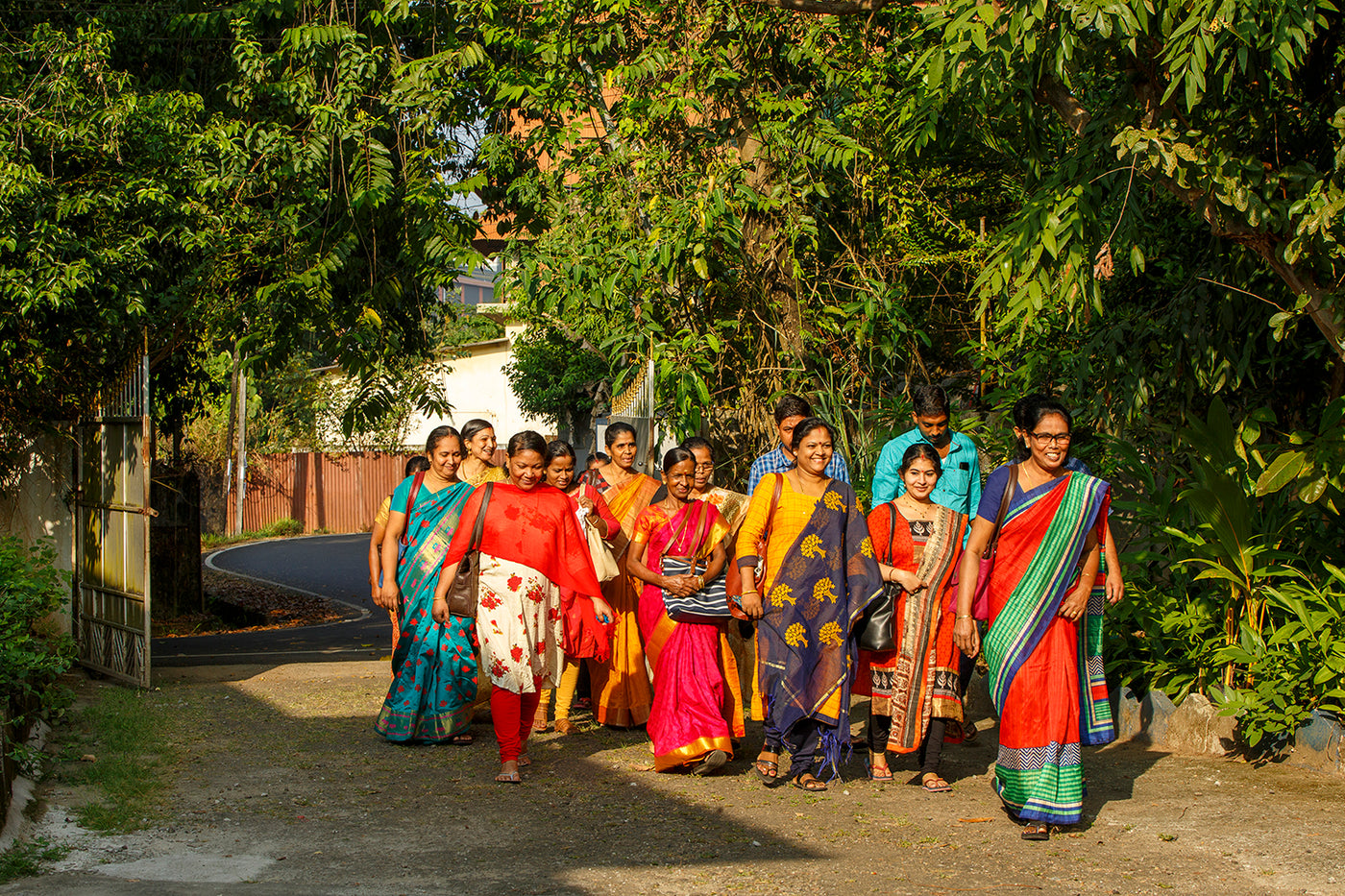
Most of the people who make Holy Lama Naturals products are women from our local community in Kerala.

A Women Led Enterprise

Holy Lama Naturals is recognised in Kerala as a Government approved women’s enterprise, and more than 80% of our factory workers are women. Most come from disadvantaged backgrounds, for example widowed or deserted by a partner. In a traditionally male dominated society, factory work gives these women confidence and independence.

Holy Lama Naturals acts as a family to its workers, and women of all ages, castes and religions are welcome. Our practice is guided by the concept of Kudumbashree: ‘the enhancement of a less privileged family through empowering the women.’

Holy Lama factory

Our Factory

Our factory is semi automated, which means many of our products are close to handmade. A great deal of care goes into making and packing every item. The outer packaging may not always look precise and clinical, but what matters most to us is what is inside each bottle and jar.

The business has grown through word of mouth and long standing support from local suppliers and the local community in Kerala.

Our Farmers

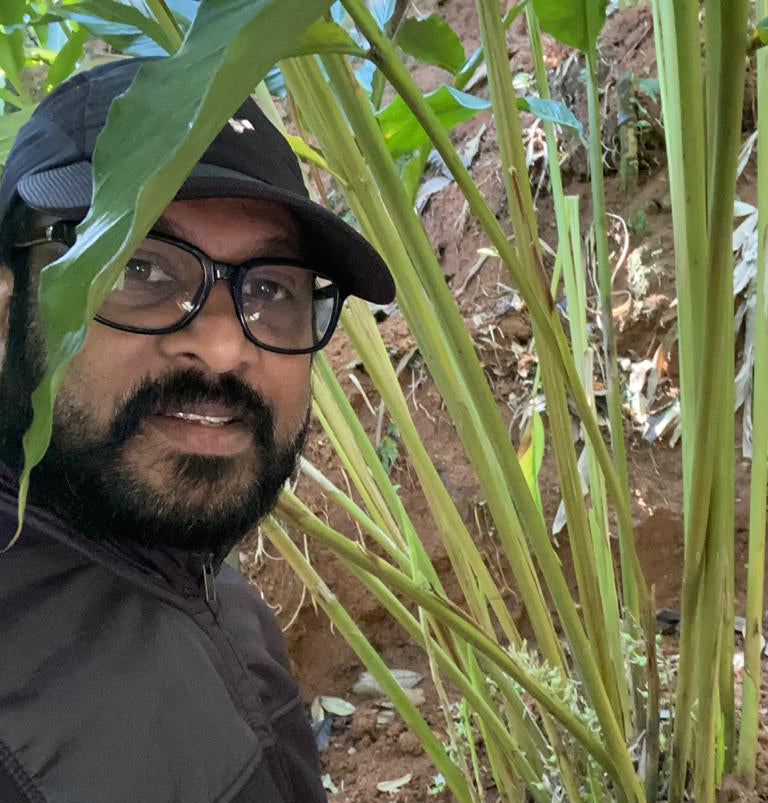
Meet one of the cardamom farmers in the hills of Idukki, Kerala.

Meet Mr Bipin Vasudevan at Brook Haven Farm

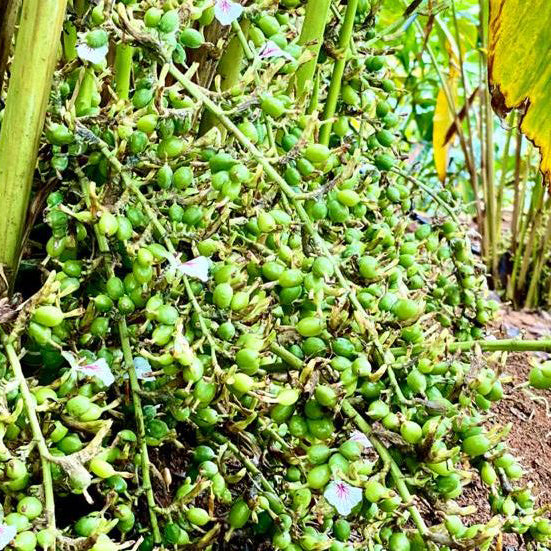
Mr Bipin Vasudevan is a cardamom farmer in Vadanmedu, Idukki, Kerala, and has been farming cardamom for 20 to 25 years. Cardamom is graded by size, with A the largest, and the crop from this part of India is graded A.

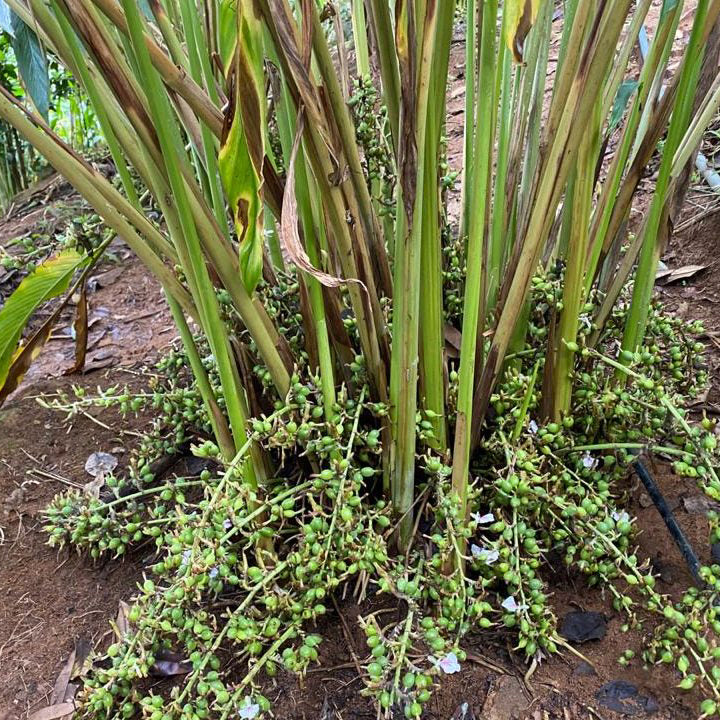
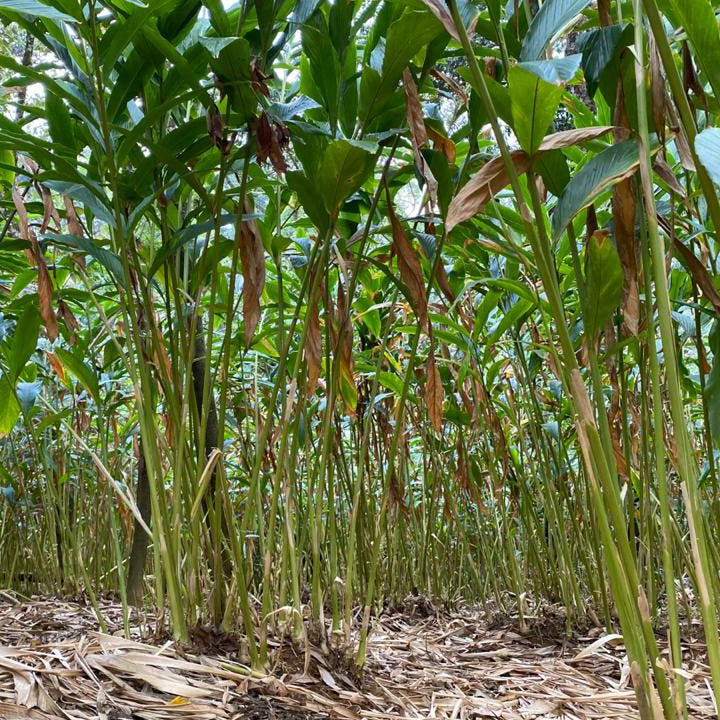
Cardamom has a wonderful aroma and is used in all kinds of dishes, desserts and drinks. It is a delicate plant that needs shade from the summer sun, so plantations are usually found in forest areas at higher altitude, under large trees. The branches are cut back in winter and the rainy season to give the plants more light. It is also a water loving crop, so most farms have borewells and small dams, and when the rains are good the yield is good too.

From Planting to Harvest

A single cardamom stem grows into 30 to 40 stems within 24 months, and each plant gives about 1 to 2kg of cardamom. An acre (0.4 hectares) holds about 450 plants, and a farmer gets about 500 to 1,000kg a year. Cardamom is picked every 45 days. The first harvest is usually in mid-July, and the best crop comes from the second and third harvests from mid-September.

The cardamom is grown with minimal intervention, and treatments used on the plants are plant derived rather than synthetic. About 40 farmers live and work at Brook Haven at any one time, usually husband and wife teams, and more casual workers join for the harvest season from mid-July to February or March. Around 80% of the harvesters are women, and harvesting cardamom is close, careful work.


How We Make Our Products

Our products are made at our own factory in Kerala.

How Our Soaps Are Made

Our soaps are made on a virgin coconut oil base, with essential oils and a fragrance blend, and they are free from SLS and parabens.

Production waste at the factory is used as fuel or as cattle feed rather than sent to landfill.

Our Ingredients and Spice Drops®

Our products are made predominantly from natural ingredients, avoiding harsh chemicals and synthetics. Our body care products are largely vegan friendly and GMO free, and our Spice Drops® are vegan.

To make our Spice Drops®, the spices are first crushed with rollers, without heat, which preserves their vibrant flavours. The crushed spices then go through our distillation and extraction process, and the extract is blended with an emulsifier so that it mixes easily into food and drink.

Our Packaging

Our soaps are packed in a shell moulded from the fallen leaves of the areca palm. The tree sheds these leaves naturally and they are collected rather than cut. Other soaps are wrapped in glassine, an uncoated greaseproof paper made without plastic film or wax, which can be recycled with paper.

Our bottles and jars are PET. We do not currently use recycled PET.

Our labels are currently PVC, which cannot be recycled alongside the container it is applied to. We are working on changing the label material, and we would rather tell you that than describe the packaging as something it is not.

Our Principles

The principles the company was founded on still guide how we work.

Fair Trade Principles

The company was founded on fair trade principles. We are not members of the World Fair Trade Organization and we hold no fair trade certification, so you will not find a fair trade mark on our packaging. What the principles mean in practice for us is that farmers and raw material suppliers are paid immediately and at fair prices under a no credit principle, and that equal pay applies irrespective of gender.

Like all cosmetics sold in the UK and EU, our body care is not tested on animals. Our products are largely vegan friendly, with most registered with the Vegan Society.

We also make an Ayurvedic preparation for people living with Parkinson’s disease in our local community, and give it free of charge as a charitable donation. We do this in loving memory of Diwakar Deo, Vijay Deo’s older brother, who lived with the disease for more than three decades.

We Fund Tree Planting Every Month

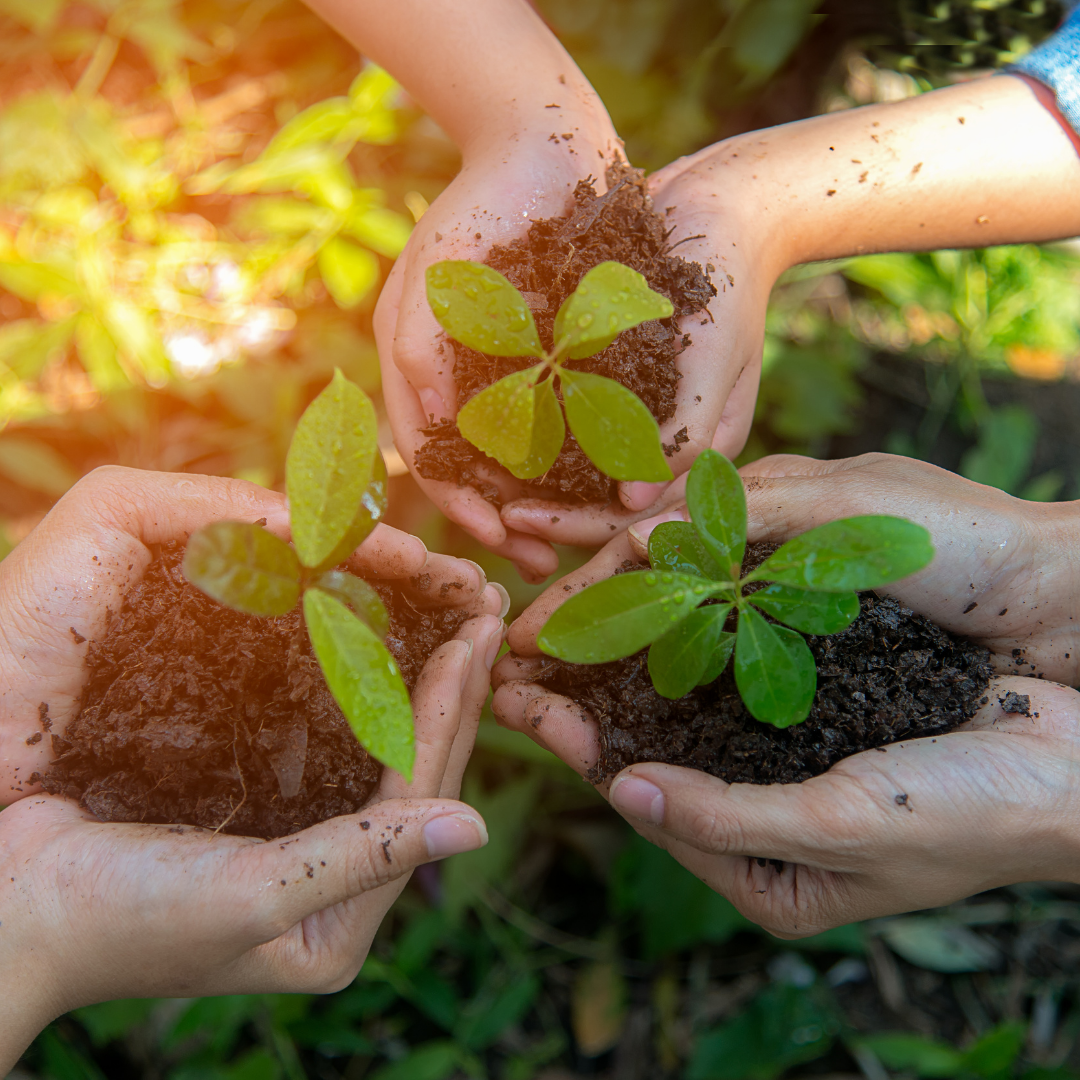
We fund tree planting every month through Ecologi. You can see the number of trees funded so far in our Ecologi forest.

We make no claim that this offsets or neutralises our emissions. We have not measured our carbon footprint, so we are not in a position to say what it is.

Visit our Ecologi forest

Meet the Family

Our story begins in 1938 and spans three generations of the Deo family.

Read our story